Satta Matka Records & the Emerging Cricket Betting Market: Trends, Risks, and Opportunities
Introduction
The world of informal gambling in South Asia has long been dominated by satta matka records, a traditional numbers game that originated in the 1960s. Over the past decade, a new contender has emerged on the betting landscape: cricket. With the sport’s massive fan base, lucrative broadcasting rights, and a growing appetite for real‑time wagering, the cricket betting market is reshaping how enthusiasts engage with both sport and chance. This article examines the evolution of satta matka, its integration with cricket betting, the market dynamics driving growth, the regulatory environment, and the potential risks and opportunities for stakeholders.
The Historical Roots of Satta Matka
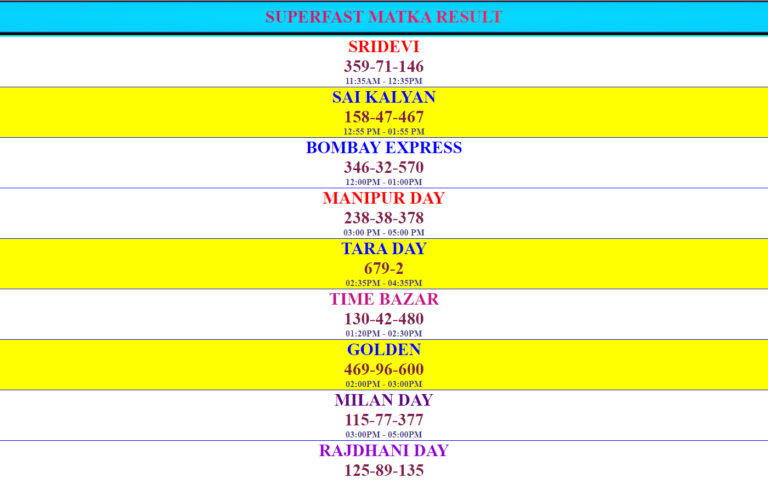
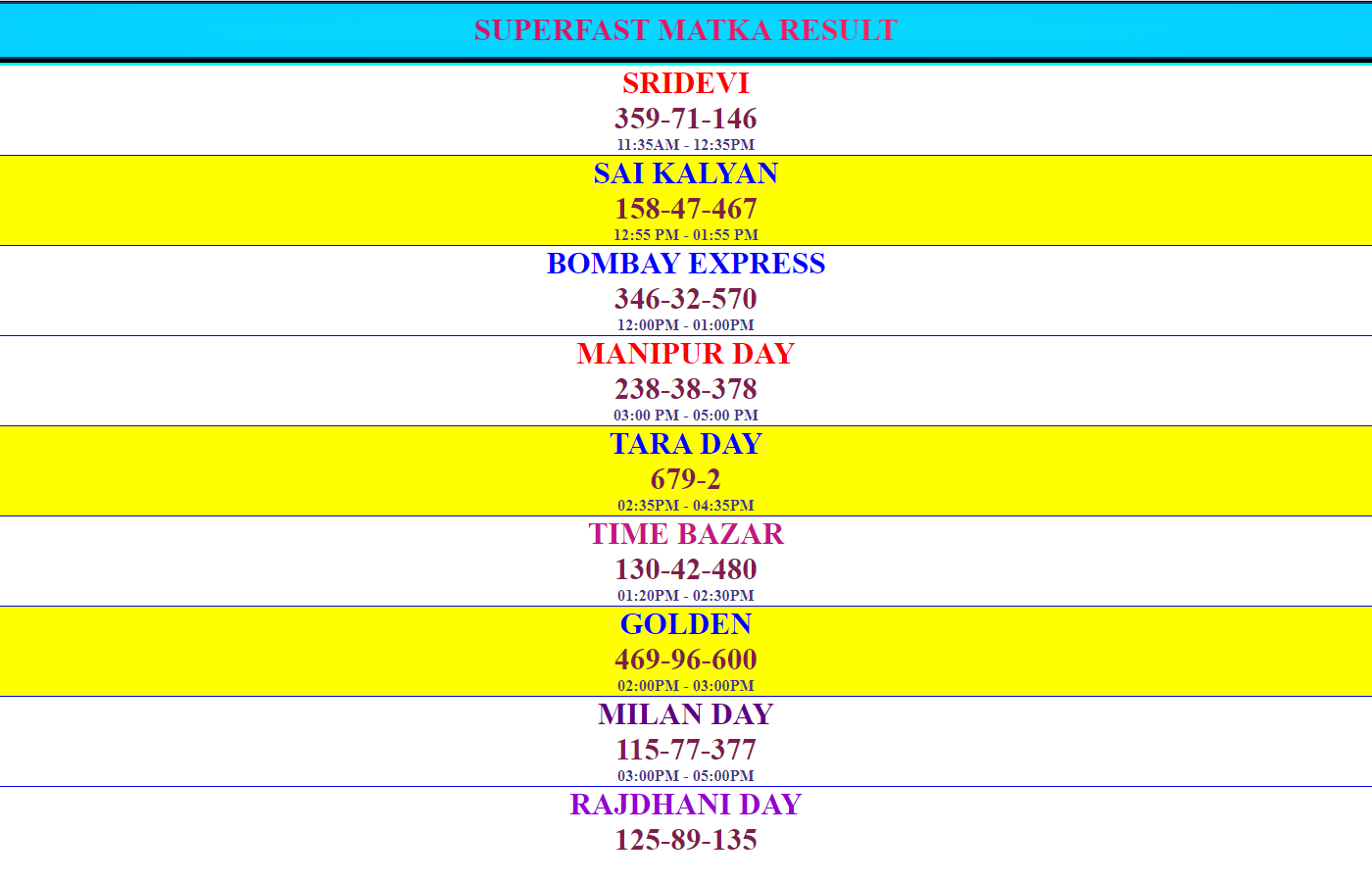
Satta matka began as a simple guessing game in Mumbai’s railway stations, where participants would wager on the closing rates of cotton as transmitted by the Bombay Cotton Exchange. Over time, the game evolved into a fully fledged betting system based on random numbers drawn from a “matka” (a large earthen pot). The records of these draws—known colloquially as satta matka records—became the backbone of the industry, allowing operators to publicize past results, calculate odds, and attract new players.
Key characteristics of traditional satta matka include:
- Reliance on handwritten ledgers or informal digital ledgers to maintain draw histories.
- A focus on single‑digit or two‑digit outcomes, with payout structures ranging from 9:1 to 100:1.
- Operation through a network of local agents, often connected via mobile phones and WhatsApp groups.
These attributes created a resilient, low‑cost ecosystem that could thrive despite periodic crackdowns by law enforcement. However, the digital age brought new tools—smartphones, high‑speed internet, and real‑time data feeds—that would soon intersect with the world of cricket betting.
The Rise of Cricket Betting
Cricket’s global popularity, especially in India, Pakistan, Bangladesh, Sri Lanka, and the United Arab Emirates, makes it an ideal vehicle for betting. The International Cricket Council (ICC) reported that the sport generated over $8 billion in revenue in 2022, a figure driven largely by broadcasting rights and sponsorships. Parallel to this, the online gambling sector began offering cricket-specific markets such as match winner, total runs, player performance, and in‑play micro‑bets.
What differentiates cricket betting from other sports betting is the sheer volume of betting opportunities within a single match. For example, a 50‑over One Day International can feature:
- Pre‑match markets: series winner, top run‑scorer, highest wicket‑taker.
- In‑play markets: next ball outcome, wicket type, over/under runs per over.
- Prop markets: method of dismissal, number of boundaries in a specific over.
This granular approach appeals to satta matka operators, who are accustomed to quick draws and high‑frequency betting cycles. Many have migrated their existing communication channels—primarily WhatsApp groups—to incorporate cricket odds, turning the traditional matka format into a hybrid sports betting platform.
Integration of Satta Matka Records with Cricket Markets
Operators now blend satta matka records with cricket betting in three primary ways:
1. Historical Data Overlay
Just as matka enthusiasts consult past draw results to gauge patterns, modern bettors analyze historical cricket statistics—average scores at a venue, player form, head‑to‑head records—to inform wagers. Platforms that provide both cricbet365 id whatsapp number and comprehensive match data create a seamless experience, allowing users to switch between pure number games and sports wagers without leaving their preferred chat environment.
2. Hybrid Betting Products
Some operators design “dual‑play” tickets where a bettor predicts both a matka number and a cricket outcome. For instance, a ticket might require selecting a two‑digit number and betting on the total runs in a match. If both predictions succeed, the payout multiplier is substantially higher than either bet alone.
3. Real‑Time Notification Systems
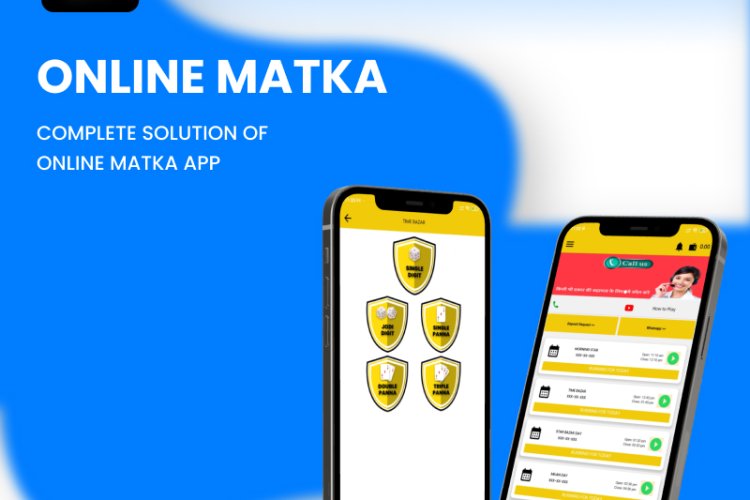
WhatsApp and Telegram bots now push live cricket scores, odds updates, and matka draw results to subscribers. The goldenexch99 id whatsapp number often serves as the point of contact for users to place bets, receive confirmations, and request withdrawals—all within a single messaging thread.
Market Drivers and Growth Projections
The confluence of satra matka culture and cricket betting is propelled by several macro‑level factors:
- Smartphone Penetration: India alone reported over 750 million smartphone users in 2023, providing a vast audience capable of accessing betting services.
- Internet Connectivity: 5G rollout and affordable data plans have reduced latency, enabling real‑time in‑play wagers.
- Legal Grey Zones: While outright gambling is illegal in many jurisdictions, betting on sports events enjoys a more ambiguous legal status, attracting operators from the satra matka space.
- Cultural Acceptance: Cricket is ingrained in the social fabric, and betting on matches is often viewed as a harmless pastime rather than a criminal activity.
- Financial Incentives: High‑stakes tournaments like the Indian Premier League (IPL) offer massive prize pools, enticing bettors seeking larger returns.
According to industry analysts, the Asian cricket betting market could surpass $12 billion in gross gaming revenue by 2028, with India alone accounting for 55 percent of that total. The integration of satra matka records adds a unique flavor that differentiates the market from Western sports betting platforms, potentially driving higher user retention.
Regulatory Landscape
Regulation remains the most contentious aspect of this hybrid market. In India, the Public Gambling Act of 1867 criminalizes most forms of gambling, but the law leaves a loophole for betting on “games of skill.” Operators argue that cricket betting involves analytical skill—assessing player stats, pitch conditions, and weather—thus positioning themselves within legal boundaries.
Conversely, several states have explicitly banned online sports betting, resulting in periodic raids on satra matka hubs. The legal gray area also affects financial transactions; many operators rely on informal payment channels such as peer‑to‑peer wallets or cryptocurrency to avoid detection.
Internationally, the United Kingdom, Australia, and Canada have established licensing regimes for cricket betting, offering a template for regulatory compliance. However, the informal nature of satra matka records makes integration with regulated frameworks challenging, prompting calls for a harmonized licensing system that accommodates both traditional number games and modern sports wagering.
Risk Management and Responsible Gaming
While the market promises high returns, it also brings significant risks:
- Addiction Potential: The rapid cycle of matka draws combined with in‑play cricket betting can lead to compulsive gambling behavior.
- Financial Exposure: Unregulated operators may lack sufficient liquidity to honor large payouts, leaving bettors vulnerable.
- Data Security: Reliance on messaging apps for transaction handling raises concerns about personal data leakage.
- Legal Consequences: Participants could face criminal prosecution in jurisdictions where gambling is prohibited.
To mitigate these risks, responsible gaming initiatives—such as self‑exclusion lists, betting limits, and educational resources—are increasingly being adopted by reputable platforms. Some operators also partner with third‑party auditors to verify the integrity of their odds and payout structures.
Technology’s Role in Shaping the Future
Advancements in technology are set to redefine how satra matka records and cricket betting coexist:
Artificial Intelligence (AI)
AI algorithms can analyze massive datasets—historical matka draws, player performance metrics, weather patterns—to generate more accurate predictive models. These models can be offered as premium services to bettors seeking an analytical edge.
Blockchain and Smart Contracts
Blockchain provides transparent, tamper‑proof record‑keeping for both matka draws and cricket wagers. Smart contracts can automatically execute payouts once conditions are verified, reducing trust deficits and operational friction.
Mobile Payment Integration
Unified mobile wallets that support fiat and crypto allow seamless deposits and withdrawals, addressing one of the biggest pain points for users who currently rely on informal cash exchanges.
These technological trends suggest a future where the boundary between traditional satra matka and modern sports betting blurs, giving rise to a unified betting ecosystem.
Opportunities for Stakeholders
Given the market’s rapid expansion, several stakeholders stand to benefit:
- Entrepreneurs: Launching hybrid platforms that combine matka record tracking with live cricket odds can capture underserved segments.
- Data Providers: Companies that supply real‑time cricket statistics, predictive analytics, or historical matka draws can monetize their datasets.
- FinTech Firms: Developing secure, low‑cost payment gateways tailored to betting transactions offers a competitive advantage.
- Regulators: Establishing clear guidelines can attract legitimate operators, increase tax revenues, and protect consumers.
- Social Advocacy Groups: Promoting responsible gambling measures can reduce societal harms while still allowing adult entertainment.
Conclusion
The convergence of satra matka records and the cricket betting market represents a dynamic shift in South Asian gambling culture. Traditional number games have found a natural partner in cricket, a sport that offers endless betting permutations and a fervent fan base. While the market’s growth is fueled by smartphone ubiquity, internet connectivity, and cultural acceptance, it remains tempered by regulatory uncertainties and inherent gambling risks.
Stakeholders who navigate this landscape responsibly—leveraging technology, adhering to emerging compliance standards, and prioritizing player protection—can unlock substantial economic value. As the sector matures, we can expect clearer legal frameworks, more sophisticated betting products, and a tighter integration of historical matka data with cutting‑edge cricket analytics, shaping the future of gambling in the region.