
Understanding Satta Matka Records: History, Methods, and Modern Impact
Introduction
Satta matka, a traditional gambling game that originated in the bustling streets of Mumbai, has evolved into a phenomenon that extends far beyond its humble beginnings. Central to its allure are the satta matka records, which serve as the backbone for players seeking to predict outcomes and increase their chances of winning. These records—compiled through a blend of historical data, statistical analysis, and community reporting—offer a window into the patterns that drive the game’s unpredictable nature. In this article we will dissect what satta matka records truly represent, how they are generated, the regulatory landscape surrounding them, and the technological tools shaping their future.
Historical Roots of Satta Matka
The term “matka” originally referred to the earthenware pots used in the game’s early days. In the 1960s, a group of traders in Mumbai began betting on the opening and closing rates of cotton traded on the Bombay Cotton Exchange. When the exchange shut down, the traders shifted to drawing numbers from a matka, thus birthing a new form of gambling. Over the decades, this informal betting system spread across India, morphing into a complex network of draws, odds, and market-driven predictions. As the game proliferated, participants recognized the need for systematic documentation—a means to track past draws, identify recurring trends, and inform future wagers.
What Exactly Are Satta Matka Records?
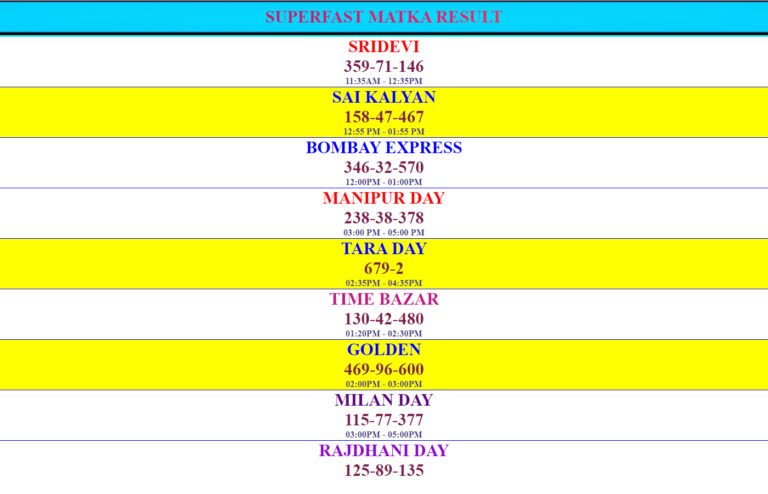
Satta matka records are essentially archives of historical draw results, accompanying statistical analyses, and ancillary data such as betting volumes, regional variations, and jackpot amounts. They encompass several key components:
- Draw Numbers: The final set of digits selected in each game, typically ranging from two to four digits.
- Date and Time Stamps: Precise timing of each draw, crucial for time‑based pattern analysis.
- Volume Metrics: Information about the amount of money wagered on each number.
- Winning Ratios: Historical percentages indicating how often specific numbers have won.
- Analytical Commentary: Expert insights that interpret raw data, highlight anomalies, and suggest betting strategies.
Collectively, these elements provide a robust data set that seasoned players rely upon to craft informed betting decisions.
Methods of Compiling Records
The compilation process blends traditional manual bookkeeping with modern digital techniques. Historically, dedicated bookies maintained handwritten ledgers, noting each draw’s outcome and related betting activity. In the digital age, many operators have migrated to spreadsheet software, database management systems, and even custom-built applications. The typical workflow includes:
- Data Collection: Gathering draw results from official sources or trusted insiders immediately after each game.
- Verification: Cross‑checking numbers against multiple confirmatory channels to eliminate errors.
- Entry and Storage: Inputting verified data into structured tables, often employing timestamped entries for auditability.
- Statistical Processing: Running algorithms that calculate frequencies, variances, and trend lines.
- Distribution: Publishing the refined records through websites, messaging groups, or WhatsApp channels to reach the player community.
Automation tools such as Python scripts or specialized betting software have dramatically increased the speed and accuracy of this pipeline, making contemporary records far more reliable than their analog predecessors.
Legal Landscape and Ethical Considerations
The legality of satta matka varies across Indian states and jurisdictions. While some regions treat it as a penal offence, others operate in a gray area where enforcement is inconsistent. This ambiguity directly influences the way records are managed and disseminated. Operators who publish satta matka records must navigate a delicate balance:
- Compliance: Avoiding direct facilitation of illegal betting while still providing informational content.
- Data Privacy: Protecting the identities of bettors and the confidentiality of financial transactions.
- Responsible Gaming: Including warnings about addiction risks and encouraging moderation.
Failure to respect these principles can lead to legal challenges, shutdown of platforms, or even criminal prosecution. Consequently, many reputable record keepers emphasize transparency, limiting themselves to historical data analysis rather than active betting facilitation.
Impact on Player Strategies
For the seasoned satta matka participant, records are more than just a historical ledger; they act as a strategic compass. By analyzing frequency distributions, players can identify “hot” numbers—those that appear more often than statistical expectation—and “cold” numbers that are overdue for a win. Some employ sophisticated techniques such as:
- Moving Averages: Smoothing out short‑term fluctuations to reveal longer trends.
- Regression Analysis: Attempting to predict future draw outcomes based on past patterns.
- Cluster Mapping: Grouping numbers based on shared characteristics (e.g., even/odd, sum of digits).
While no method guarantees success—satta matka remains fundamentally a game of chance—leveraging records can reduce randomness perception and improve confidence in wagering decisions.
Technology’s Role in Modern Record Keeping
Advancements in mobile communication and cloud computing have revolutionized how satta matka records are accessed. WhatsApp groups, Telegram channels, and dedicated apps now serve as primary distribution platforms, offering real‑time updates and interactive analytics. Moreover, machine learning models are being experimented with to detect subtle patterns invisible to human analysts. These technologies bring several advantages:
- Speed: Instantaneous delivery of draw results across geographically dispersed users.
- Scalability: Ability to handle thousands of concurrent queries without performance degradation.
- Customization: Users can set alerts for specific numbers or trends that interest them.
Nevertheless, the reliance on digital channels also introduces vulnerabilities such as data tampering, misinformation, and heightened surveillance by authorities. Operators must therefore implement robust verification procedures and encryption methods to safeguard the integrity of the records they share.
How to Access Reliable Satta Matka Data
Given the proliferation of unofficial sources, identifying trustworthy record providers is essential. Reliable platforms typically exhibit the following traits:
- Historical Consistency: A track record of accurate data spanning several months or years.
- Transparency: Clear explanations of data collection methods and sources.
- Community Reputation: Positive feedback from seasoned players and industry observers.
- Secure Communication Channels: Use of encrypted messaging services for data distribution.
One practical way to obtain verified information is through direct contact with reputable record keepers. For instance, many operators provide a dedicated cricbet365 id whatsapp number that connects users to a verified network of analysts. Engaging through such official channels helps ensure that the data received is authentic and up‑to‑date.
Risks and Responsible Participation
Despite the allure of data‑driven betting, participants must remain cognizant of the inherent risks. The primary concerns include financial loss, addiction, and potential legal repercussions. Responsible participation entails:
- Budget Management: Setting strict wagering limits and adhering to them.
- Time Management: Avoiding excessive gameplay that interferes with personal or professional responsibilities.
- Self‑Assessment: Regularly evaluating one’s gambling behavior and seeking help if signs of dependency emerge.
Many reputable record providers embed responsible gaming resources within their platforms, offering helplines, self‑exclusion options, and educational material to promote safer betting environments.
The Future of Satta Matka Records
Looking ahead, the convergence of blockchain technology and decentralized applications (dApps) promises to further transform record keeping. Immutable ledgers could provide tamper‑proof verification of draw outcomes, eliminating disputes over data authenticity. Additionally, smart contracts might automate payout processes based on verified results, reducing reliance on intermediaries. However, these innovations also demand rigorous regulatory frameworks to prevent misuse and protect participants.
Conclusion
Satta matka records occupy a pivotal role in a game that balances chance with strategic insight. From their analog origins in handwritten ledgers to today’s AI‑enhanced analytics, these records have evolved alongside the players they serve. Understanding how they are compiled, the legal environment they operate within, and the technological tools that enhance their reliability equips bettors with a clearer perspective on the game’s dynamics. While records can improve decision‑making, they do not eliminate risk; responsible participation remains paramount. As the industry embraces emerging technologies, the future promises greater transparency, security, and perhaps a more regulated path forward for satta matka enthusiasts worldwide.