What Is Satta Matka Records? A Comprehensive Guide to History, Mechanics, and Modern Practices
Introduction
Satta Matka, often simply called “Matka,” is one of the most talked‑about betting systems originating from the Indian subcontinent. While many associate the term solely with gambling, the phenomenon encompasses a broad spectrum of activities, from historical lottery practices to contemporary online platforms. Central to its modern incarnation are the so‑called satta matka records, which serve as a statistical backbone for participants seeking to make informed decisions. This article delves into the evolution of Satta Matka, explains how the records are generated and used, discusses legal considerations, and outlines responsible participation strategies.
Historical Background of Satta Matka
The roots of Satta Matka can be traced back to the early 1960s in Mumbai, where cotton traders used a system called “matka” (meaning “earthen pot”) to record daily price fluctuations. Over time, this mechanism evolved into a gambling game where participants guessed the opening and closing rates of cotton. By the 1970s, the practice had migrated beyond the textile market and became a popular underground betting activity, spreading across various Indian cities. The original paper‑based slips were later digitized, and the term “records” emerged to describe the compiled data of past draws, which gamblers believed held predictive value.
Key Milestones
Several pivotal moments shaped the modern Matka landscape:
- 1975 – The Emergence of “Zero Day”: The shift from cotton rates to random numbers introduced a new level of anonymity.
- 1990s – Internet Adoption: Early websites began publishing daily results, creating the first online archives of Matka outcomes.
- 2000s – Mobile Integration: Smartphones enabled instant access to live draws and historical data, dramatically increasing participation.
Understanding the Mechanics of Satta Matka
At its core, Satta Matka is a numbers‑based betting game. Participants select a series of digits—typically ranging from one to four digits—and place wagers on the likelihood of those numbers appearing in the next draw. The draws occur at scheduled intervals, often twice daily, and are conducted by a “bookie” or a trusted administrator. The results are then recorded, forming the basis of the “records” that many players analyze.
Types of Bets
There are multiple betting formats, each with its own risk‑reward profile:
- Single‑Digit Bet: Predicting a single digit (0–9) for the next draw. Low stakes, high probability.
- Two‑Digit Bet: Selecting a two‑digit combination (00–99). Offers better payouts while still relatively common.
- Three‑Digit Bet: Also called “Jodi,” this involves picking a three‑digit sequence (000–999) and yields substantially higher returns.
- Four‑Digit Bet: The most lucrative and risky, requiring an exact match of a four‑digit number (0000–9999).
The Role of Satta Matka Records
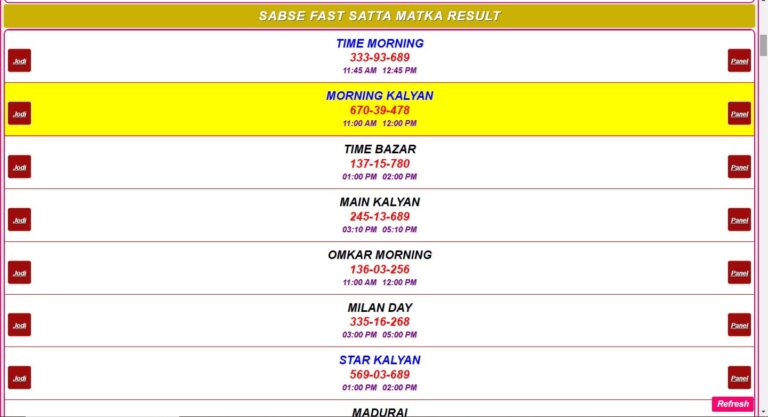
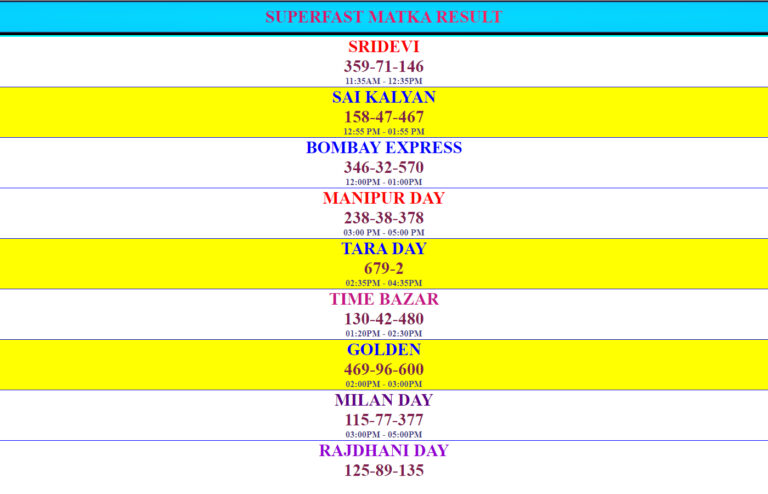
Records are compilations of past draw outcomes, often presented in tabular form with date, time, and the winning numbers. Players use these datasets to discern patterns, identify “hot” numbers (those appearing frequently), or avoid “cold” numbers (those rarely drawn). While many argue that each draw is independent and random—making pattern analysis ineffective—others maintain that historical data offers a strategic edge.
Modern record‑keeping has embraced sophisticated software that aggregates results from multiple sources, standardizes formats, and even provides statistical indicators such as frequency charts, probability curves, and trend lines. This evolution has turned simple historical logs into comprehensive analytical tools that cater to both casual gamblers and seasoned professionals.
How Records Are Generated
When a draw concludes, the administrator logs the winning numbers in a secure ledger—whether physical or digital. This entry is then disseminated to affiliated networks via SMS, messaging apps, or dedicated websites. The data is collected by third‑party aggregators, who verify authenticity before adding the entry to the master record database. The process emphasizes speed, accuracy, and confidentiality to maintain player trust.
Legal Landscape and Regulatory Concerns
The legal status of Satta Matka varies across Indian states. In several jurisdictions, gambling is prohibited under the Public Gambling Act of 1867, yet the enforcement of this law against Matka activities has been inconsistent. Some states have adopted a more tolerant stance, especially where the game operates online and generates significant revenue for local economies.
Players must remain vigilant about the legitimacy of the platforms they use. Certain websites promise “guaranteed” wins based on alleged “secret” record algorithms—a claim that is both unverified and potentially fraudulent. Regulatory bodies, where present, focus on consumer protection, anti‑money‑laundering measures, and the prevention of underage gambling.
Accessing Reliable Information: The Importance of Verified Sources
Given the proliferation of unverified websites, obtaining trustworthy satta matka data is essential. Reliable platforms provide transparent methodologies, regular updates, and clear contact channels. For instance, many professionals recommend contacting service providers through official channels, such as the cricbet365 id whatsapp number, to ensure authenticity and quick response times.
When evaluating a source, consider the following criteria:
- Consistency: Does the platform update records promptly after each draw?
- Accuracy: Are the published results cross‑checked with multiple independent feeds?
- Security: Does the site employ encryption and secure communication for user data?
- Customer Support: Is there a clear avenue for queries, such as a verified WhatsApp number?
Strategic Approaches to Using Records
While no strategy can guarantee success in a game that hinges on randomness, many seasoned players adopt disciplined methods that leverage historical data responsibly. Below are three widely practiced approaches:
Frequency Analysis
This technique involves counting how often each digit or combination appears over a set period, such as the last 30 draws. Players may favor numbers that exceed the expected average frequency, operating under the belief that “hot” numbers maintain momentum.
Delay or “Cool‑Off” Method
Conversely, the delay strategy focuses on “cold” numbers—those that have not appeared recently. The idea is that every number has a statistical “due date” and will eventually surface, offering potential upside for patient bettors.
Hybrid Modeling
Some advanced users combine frequency data with external variables (e.g., time of day, day of the week) to build predictive models. While these models add complexity, they can provide a structured framework for bet placement, helping to mitigate emotional or impulsive decisions.
Risk Management and Responsible Play
Regardless of the analytical tools employed, responsible gambling remains paramount. Players should establish clear budgets, avoid chasing losses, and treat each bet as entertainment rather than a guaranteed income source. Setting limits on daily or weekly expenditure, using stop‑loss mechanisms, and regularly reviewing one’s betting history are effective practices to curb potential harm.
Moreover, it is advisable to keep records of personal wagers separate from the broader satta matka records. This personal log helps monitor performance, identify problematic patterns, and make data‑driven adjustments to betting behavior.
Future Trends: Technology and the Evolution of Matka
The integration of artificial intelligence and blockchain technology promises to reshape how satta matka records are managed and disseminated. AI algorithms can automate pattern detection, while blockchain could ensure immutable, transparent logging of draw results, thereby enhancing trust among participants.
Additionally, mobile applications are becoming increasingly sophisticated, offering real‑time alerts, customizable dashboards, and secure payment gateways. These innovations are likely to attract a younger demographic, potentially expanding the sport’s reach while simultaneously raising new regulatory and ethical challenges.
Conclusion
Satta Matka records serve as the informational backbone of a betting tradition that has evolved from a local merchants’ practice to a globally accessible digital phenomenon. Understanding the history, mechanics, and statistical use of these records empowers participants to make more informed choices while emphasizing the importance of legality, security, and responsible gambling. By relying on verified sources, applying disciplined analytical methods, and staying abreast of technological advancements, players can navigate the complex world of Matka with greater confidence and safety.